Every child deserves to be the best they can be
Our #EMATter Academies



Hardingstone Academy
SEND & Inclusion
Our SENCo is Sarah Mills and she can be contacted by emailing sarah.mills@hardingstone.emat.uk
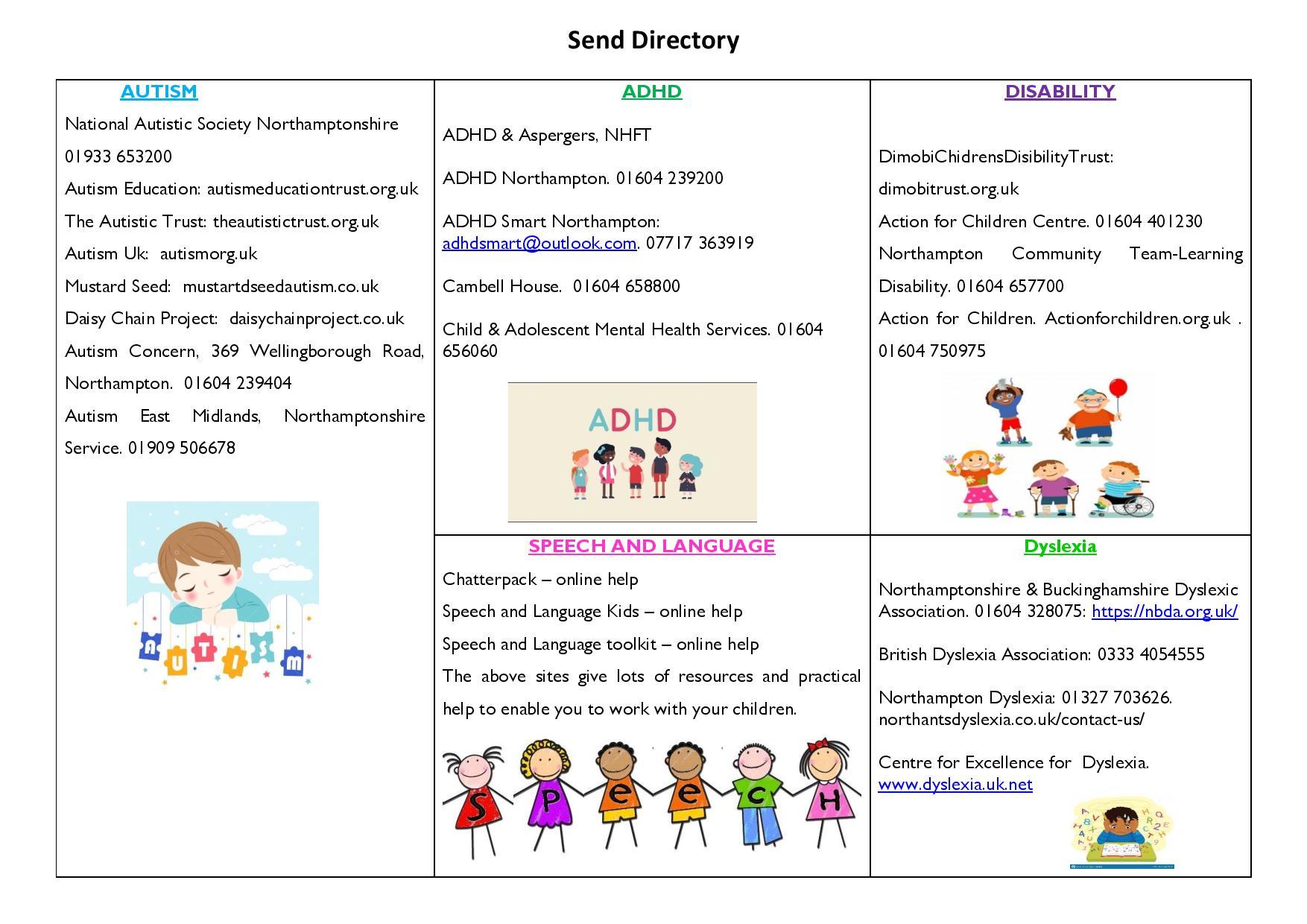
You may also find some useful information on the Local Offer website. The Local Offer team publishes information on this website about services available for children and young people (aged 0 to 25) with special educational needs and disabilities in West Northamptonshire.
You can view the website here: Local Offer - West Northamptonshire
What support do we have for you as a parent of a child with SEND?
The class teacher is regularly available to discuss your child’s progress or any concerns you may have and to share information about what is working well at home and school, so that similar strategies can be used.
- The SENCo is available to meet with you to discuss your child’s progress or any concerns/worries you may have.
- All information from outside professionals will be discussed with you with the person involved directly, or where this is not possible, in a report.
- Additional support plans will be reviewed with your involvement every term.
- A home-school contact book may be used to support communication with you when this has been agreed to be useful for you and your child.
- The West Northamptonshire SENDIASS is available to give further impartial advice and support should you need it. Further information about this service can be accessed here.
- Courses for parents and carers through the SEN Support Service (SSS) are available here.
- West Northants Voices in Partnership is an independent parent-led group formed and run by volunteers to represent the views of all families of children and young people up to aged 25 with special education needs and/or disabilities in West Northamptonshire. For more information and to become a member this service can be accessed here.
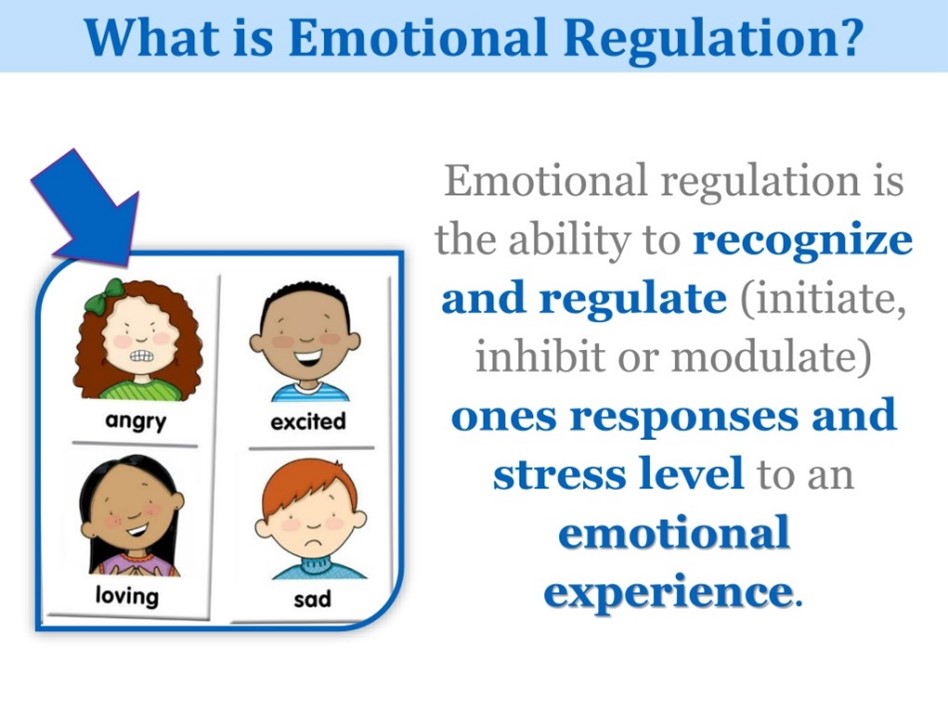
Top Tips for Teaching Emotional Regulation
- Use emotional vocabulary all the time - identify and name the emotion you see or feel.
- The context of the emotion is as important as the behaviour that stems from it
- Teach coping strategies when the child is at their baseline stress level.
- Practice emotional regulation strategies regularly. Model the positive behaviours you want to encourage
- Simple Strategies are best, however be ready to get creative
- Ensure all adults honour their side of all agreed responses
- Create a safe space to develop these skills
- Link known triggers to functional responses
- Give emotional regulation time to work
- You need to be the child’s emotional brakes when teaching these skills
Strategies to support emotional regulation
- Tune into your own emotions
- Calm and warm presence
- Use gestures
- Think about tone and volume of voice Have predictable routines
- Calm the environment
- Hold space- allow silence before talk
- Validate emotions
- Reduce cognitive overload- minimal instructions
- Model coping strategies
- Sit in the uncomfortable
- Exercise
- Physical contact
- Connection activity i.e. a puzzle or read a book together
- Sensory input i.e. soft blanket